
Russian Ruble - MONTHLY Futures Chart - Continuous Front Month
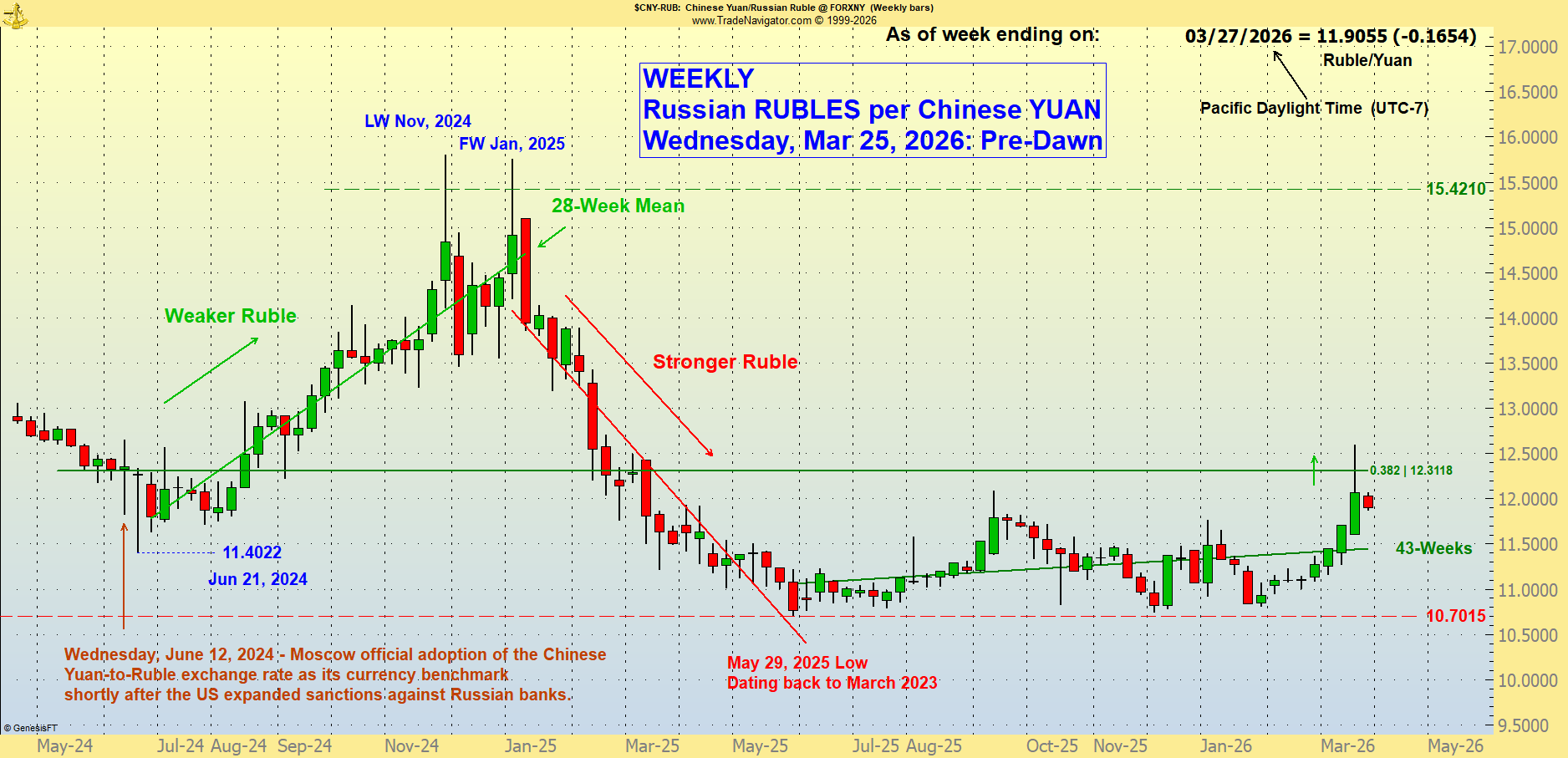
The following is Ai generated as of February 12, 2026.
Internal Kremlin documents from early 2026 suggest Russia is proposing a major economic partnership with the Trump administration to end the Ukraine war, featuring a return to the U.S. dollar system. This strategy involves joint investments in energy, critical raw materials, and aviation, aimed at weakening Moscow-Beijing ties.
Key Aspects of Potential Cooperation (as of February 2026):
Economic Re-engagement: A proposal suggests abandoning the de-dollarization strategy, allowing the return of U.S. companies to the Russian market and using the U.S. dollar for transactions.
Energy & Resource Deals: Plans include joint ventures in natural gas, offshore oil, and critical raw materials to provide windfalls for U.S. firms.
Strategic Shift: This move is viewed as a significant reversal of Kremlin policy designed to reshape the geopolitical landscape, potentially creating distance between Moscow and Beijing.
Nuclear & Security Talks: Despite tensions, both sides have engaged in discussions regarding nuclear arms control and maintaining the New START limits.
"Excellent" Relations: Russian Foreign Minister Sergei Lavrov noted high-level, "excellent" personal relations between Putin and Trump.
These proposals are part of a potential, yet highly speculative, shift in the diplomatic landscape, with Russia seeking to end economic isolation through a new, transactional relationship with Washington.
European Reaction to the Russian offer:
As of February 2026, European nations are reacting with a mix of shock, anxiety, and strategic re-evaluation to rumors and reports of deepened US-Russia cooperation, particularly following initiatives by the second Trump administration to potentially broker a peace deal in Ukraine that disregards European security interests. The overall sentiment is one of being sidelined, with many European leaders fearing a new era of transactional politics where the US prioritizes its own interests over NATO commitments and European security.
Key Aspects of the European Reaction:
Fear of Being Sidelined: EU leaders are deeply concerned that the US is negotiating behind their backs, potentially leaving European interests, especially those of Eastern European nations, unrepresented. The rumored 28-point peace plan from late 2025 that leaned toward Russian interests caused significant alarm in European capitals.
Divided Response: Europe appears divided on how to manage this new, volatile relationship with Washington. Some nations are pushing for "strategic autonomy" and to reduce dependencies on the US, while others are still trying to maintain close ties, fearing that a total break from the U.S. will leave the continent vulnerable to Russia.
Increased Defensive Posture: In response to the uncertainty, Europe is shifting into a "defense mode" across a broad front. There is a growing consensus on the need to increase independent European defense capabilities and secure energy grids, as US commitment to European security becomes less reliable.
Accusations of Russian Duplicity: European leaders are skeptical of any Russian claims of wanting peace, accusing Putin of using the potential for negotiations with the US as a way to weaken Western unity while continuing to fight.
Shock Over Trump’s Foreign Policy: The EU is described as being in a "state of shock" after a year of Trump's second term, which has included threats against European territories like Greenland.
Key Quotes and Positions:
"We will not reward aggression": This summarizes the stance of many European nations, notably Estonia, regarding potential deals that would allow Russia to keep Ukrainian territory.
"Europe must look to itself": A growing sentiment in European capitals as they realize they can no longer rely entirely on the US for security.
"The EU is afraid to be left out in this negotiation process": Highlighting the fear that major decisions affecting Europe are being made by the US and Russia.
As for China: Based on early 2026 reports, China's reaction to potential Russia-US cooperation—specifically regarding reports of Russia exploring negotiations with the Trump administration to end the Ukraine conflict—has been a mix of official diplomatic calm, public support for a political solution, and private, strategic hedging to ensure their alliance remains intact.
Conclusion:
The potential for a US-Russia "deal" has catalyzed a frantic effort in Europe to increase its own security, strengthen economic ties, and seek a more assertive, independent role on the world stage, while still navigating the complexities of its alliance with the US, while China seems sanguine on the surface but alert underneath.
MarketBullets reaction to these ideas: It seems a little too easy, too sweet. Will we trade our milk-cow for some magic beans? …and yet…alluring.